I've always watched NASA's voyages into space with complete wonder and awe. The human race's ability to venture into a completely unforgiving environment just boggles my mind. Our current missions are built upon decades of research and the guile of men and women who have blazed these trails for 50 years. Some have paid the ultimate price and others have achieved feats once only dreamed about and found in science-fiction films.
I just finished watching the final episode of a Discovery Channel mini-series called The NASA Missions: When We Left Earth. A stunning 6 hours documenting our humble beginning in the space race with the Soviets all the way through our most recent missions to further assemble the International Space Station. I remember the first time I saw the film The Right Stuff. It sparked my interest in following our adventures to the astral frontiers. Hitting theaters in 1983, it was only 3 years from one of the most tragic moments in the world's quest for our new manifest destiny. In 1967, during a launch training exercise, Virgil "Gus" Grissom, Ed White and Roger Chaffee were all killed when their Apollo 1 capsule exploded into flames. Truly a tragic event, with all due respect to those who were lost. However, 1986 was smack-dab in my formative years as a fan of space. It sticks with me today and is still chilling to see the event recapped.
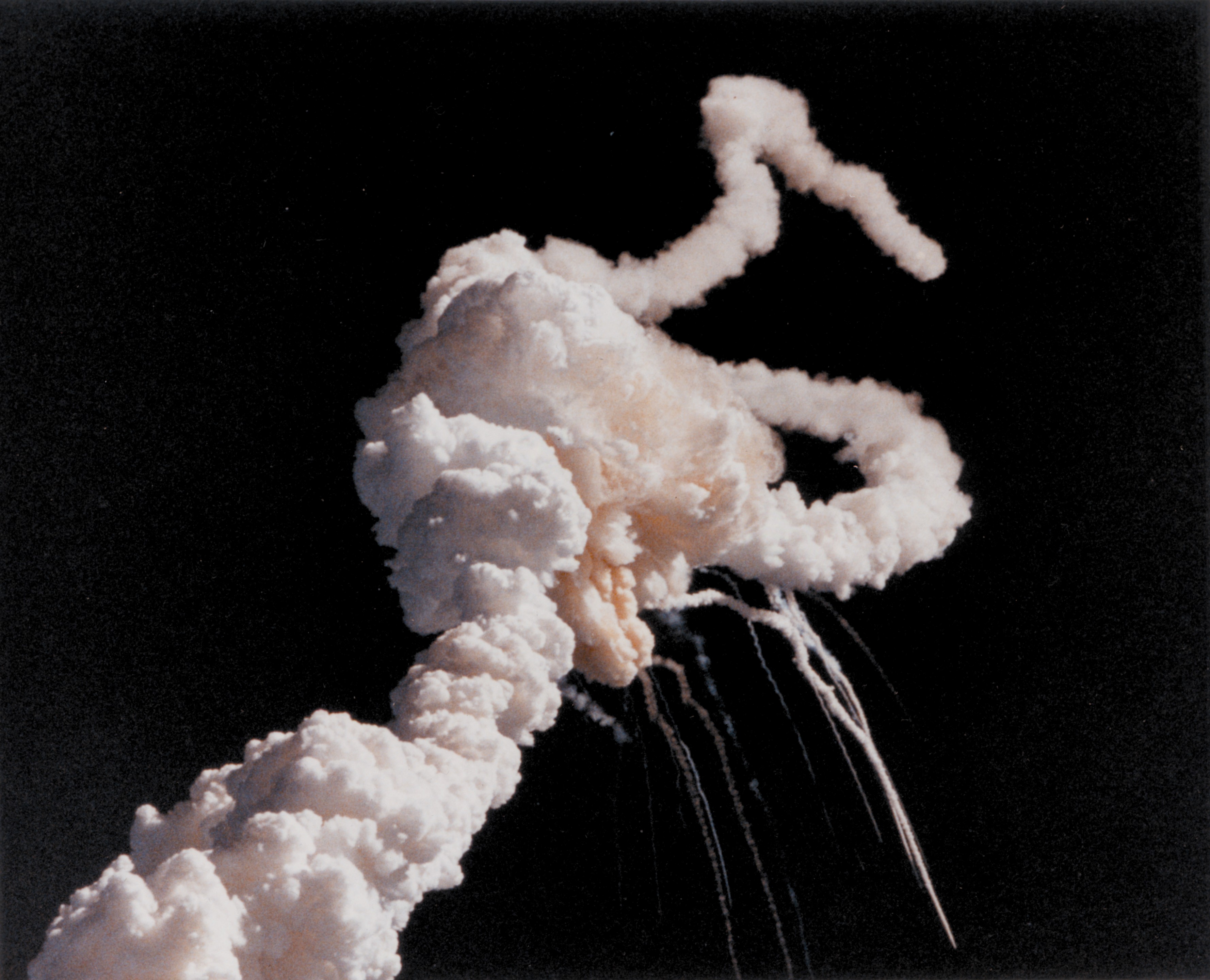
When We Left Earth thoroughly provided a view into the events that unfolded leading up to the Space Shuttle Challenger disaster on January 28, 1986. It was a major event for me, a 5th grader at the time. It featured a widely publicized civilian to be launched into space, teacher Christa McAuliffe. Sadly, only 70 or so seconds after launch the orbiter exploded into flame and left nothing more than an enormous cloud of smoke and two rocket boosters spinning out of control in the sky. Leaving only a 50,000 foot fork piercing the heavens, the shuttle Challenger and its crew were gone. As the documentary replayed this footage, I felt like I was seeing it for the first time. Breathless, I watched. And then they shared a bit of information that I had only understood was legend until now. Based on data from NASA mission logs, three of the crew members actually survived the explosion and jettisoned from the vehicle only to be knocked unconscious. As their momentum carried them close to 70,000 feet above the Earth's surface, they hurtled lifeless and unaware of their impending doom down toward the deep blue ocean below. It was chilling to hear these individuals recount the events and this grisly mental image of these three crew members. It was the first major event in my life where everything seemed to stop at school, at home...everywhere. Eyes were glued to the televisions as we learned more about the disaster and those aboard. President Reagan addressed the nation and it served as some sort of official closure. I'm not a religious man, but his words were touching and provided solace that these brave adventurers were at peace.
Since then we've seen another shuttle (Columbia - February 1, 2003) claim the lives of its crew. We've also witnessed the gaffes with the Hubble Telescope nearly end the NASA program, although less of a human tragedy it was a major mark on the space program. NASA has still pressed on, looking into our universal past and looking to firmly plot out our future in space. I highly recommend seeing this documentary mini-series. For anyone who may be even marginally interested in our space program, it is a beautiful testament to our accomplishments and failures as we, the human race, seek the great beyond.
July 8, 2008
The Great Beyond


Subscribe to:
Post Comments (Atom)

 Posts
Posts


No comments:
Post a Comment